

In Germany, Elterngeld Parental Allowance replaces part of the lost income when parents pause or reduce work to care for a newborn or newly placed child.
Clear rules define who qualifies, how long payments last, and which variant suits part-time work or longer coverage windows.
This guide consolidates the current thresholds, hour limits, and application channels, then points to official sources for verification. For cross-border families and non-EU nationals, residence and work authorization rules determine access alongside income limits.
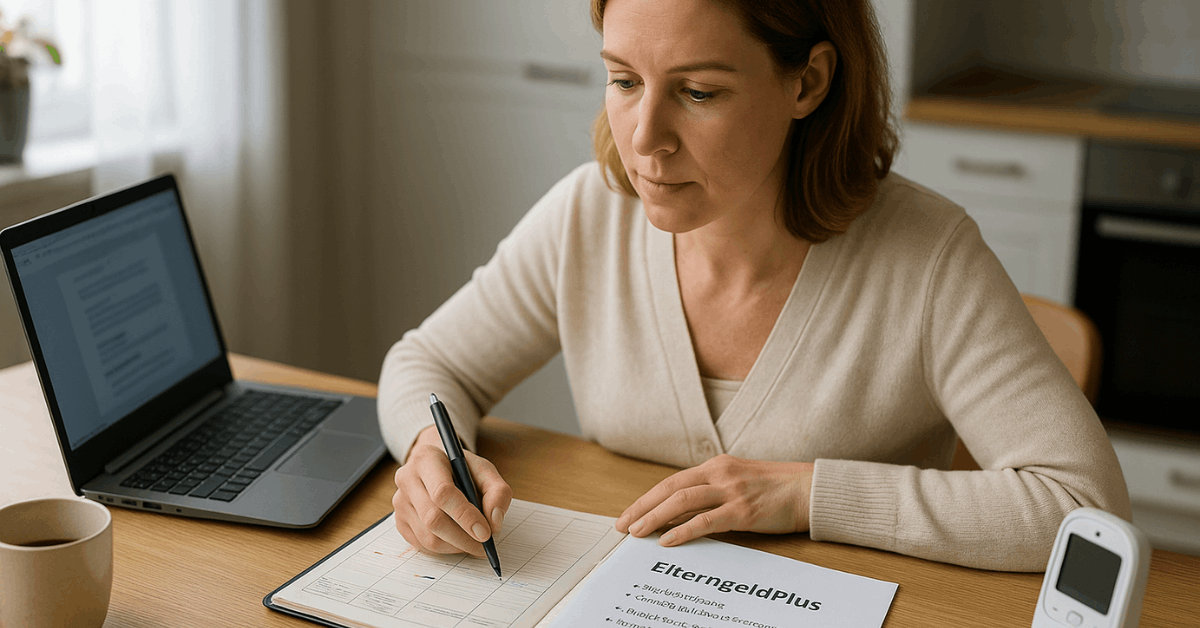
What Elterngeld Parental Allowance Covers
Elterngeld is a statutory cash benefit paid for the child’s life months (Lebensmonate) rather than calendar months, which is why timing matters when planning parental leave periods and changes.
Payments compensate reduced earnings after birth and can be combined or sequenced between parents under specific rules. Maternity benefits for the same child are credited against Elterngeld, so coordination with Mutterschutzfristen prevents surprises.
Families choose between Basiselterngeld, ElterngeldPlus, and an added Partnership Bonus that rewards simultaneous part-time work.
Who Qualifies for Elterngeld
Most eligibility rules focus on residence, care, working time, income limits, and residence status for non-EU citizens.
Expect identical rights for EU/EEA/Swiss citizens living in Germany, while third-country nationals must hold a residence title that permits work.
Recent reforms also unified the working-time ceiling and adjusted income thresholds for births in 2024 and 2025.
Residence and Caregiving
Eligibility requires living with the child in the same German household and providing personal care, including during adoption or certain kinship placements.
Cross-border commuters may qualify in limited cases when the employment nexus remains in Germany or within EU/EEA coordination rules.
Applications are handled by the local Elterngeld office, and retroactive approval is limited to three life months before the month of application receipt.
Working-Time Cap
A parent is not fully employed for Elterngeld purposes when average weekly hours during a life month do not exceed 32. This ceiling applies to all variants and determines eligibility continuity while working part-time.
Partnership-Bonus months require a narrower range when both parents claim them simultaneously.
Income Thresholds
For births on or after April 1, 2024, entitlement ends if taxable annual income is €200,000 or more; for births on or after April 1, 2025, the unified limit is €175,000 for couples and single parents alike.
Assessments reference taxable income from the year before the child’s birth, which generally falls below gross earnings due to deductions defined in German tax law.
Residence Titles for Non-EU Nationals
Access requires a residence permit that entitles or has entitled the holder to work, with specific provisions detailed in the Federal Parental Allowance and Parental Leave Act (BEEG).
EU Blue Card, permanent residence, and comparable titles typically meet the requirement, while certain humanitarian titles require additional conditions such as prior duration of stay or employment.
Eligible Caregivers and Special Cases
Employees, self-employed persons, civil servants, students, unemployed parents, and stay-at-home caregivers can qualify if other conditions are met.
Kinship caregivers may qualify in defined exceptional situations when parents cannot care for the child. Coordination with maternity benefits remains important because months with Mutterschaftsleistungen count as Basiselterngeld for the mother.
Elterngeld Variants Explained
Choosing between Basiselterngeld, ElterngeldPlus, or the Partnership Bonus depends on how soon paid work resumes, desired duration, and hour planning.
Basiselterngeld concentrates value into fewer months, while ElterngeldPlus spreads a reduced monthly amount over a longer period.
When both parents work part-time within defined ranges, the Partnership Bonus adds extra months to extend coverage efficiently.
Basiselterngeld
Basiselterngeld can be taken only during the first 14 life months of the child, with one parent limited to 12 and the other contributing at least 2 months in total across the variants.
Simultaneous receipt of Basiselterngeld by both parents has been restricted for newer births and now generally permits only a single overlapping month within the first twelve life months, subject to statutory exceptions.
ElterngeldPlus
ElterngeldPlus extends the time horizon by paying roughly half of a parent’s Basic monthly entitlement over double the months, which suits structured part-time returns.
Planning ElterngeldPlus beyond month 14 requires continuous scheduling because interruptions after that point can permanently forfeit unused months.
Partnership Bonus
Partnership-Bonus months reward both parents working part-time in the same life months.
Current rules grant two, three, or four additional ElterngeldPlus months per parent when each works 24 to 32 hours weekly on average; dropping below 24 or exceeding 32 in a claimed month can trigger repayment.
Single parents can claim the full Partnership Bonus alone within the same hour range.
How Elterngeld Is Calculated
Replacement rates depend on prior net income used for Elterngeld purposes, with statutory minimums and maximums defined in the BEEG and administrative guidance.
Months with Mutterschaftsleistungen for the same child offset Elterngeld payments and generally count as Basiselterngeld months for the mother, so scheduling reduces overlap losses.
Because Elterngeld is paid for life months measured from the exact birth date, aligning parental-leave company notifications and any tax-class planning to life-month boundaries preserves value. Regional portals and federal brochures explain how sibling bonuses, multiple-birth factors, and rounding rules apply to specific cases.
Step-By-Step Application Guide
Clear preparation reduces back-and-forth with the local office and protects retroactive payments.
Applications can be filed only after birth because the birth certificate proves the child’s identity and the month of birth. Submission within the first three life months preserves payments back to the birth date; late filings lose earlier months permanently.
Many states provide an ElterngeldDigital application assistant that pre-fills forms, explains terms, and routes the file to the correct Elterngeldstelle.
- Collect identification documents, residence permits where applicable, and income proofs for the relevant assessment period, including payslips or recent tax assessments.
- Obtain the state-specific application form through the Familienportal or the Elterngeld office website, then confirm whether a wet signature is required in that state.
- Assemble maternity-benefit confirmations and employer parental-leave confirmations when relevant, since these documents influence month planning and offsets.
- Submit the application via the online assistant, where available, or send a complete paper file by tracked post to secure a receipt date within the three-month window.
- Track the case and promptly report planned changes to working hours, variant switches, or benefit months, because changes after payment can be limited or disallowed.
Basic, Plus, and Partnership Bonus
Careful comparison helps match the benefit to a realistic work plan after birth. The table shows when each option fits, the core duration, hour constraints, and a simple amount rule of thumb. Confirm calculations with the Elterngeld office when applying complex credits or sibling bonuses.
| Option | Best suited for | Duration window | Weekly hours (avg.) | Amount logic |
| Basiselterngeld | Concentrated support early after birth | Up to 14 life months combined, one parent max 12 | ≤32 | Higher monthly amount over fewer months; overlaps with maternity benefits credited. |
| ElterngeldPlus | Part-time return with longer coverage | Up to 28 life months when converting Basic months | ≤32 | Roughly half of Basic per month but double months; schedule continuously after month 14. |
| Partnership Bonus | Both parents working part-time together | Extra 2–4 ElterngeldPlus months per parent | 24–32 | Bonus months granted if both meet the hour range every claimed month. |
Regional Top-Ups: Bavaria and Saxony
Bavaria pays Familiengeld from the 13th to the 36th life month, generally €250 per child monthly, or €300 from the third child onward; families receiving Elterngeld in Bavaria are typically auto-routed without a separate application.
Saxony offers Landeserziehungsgeld in the second or third year of life, typically €150 for the first child, €200 for the second, and €300 for the third child, subject to conditions including childcare use and residence duration.
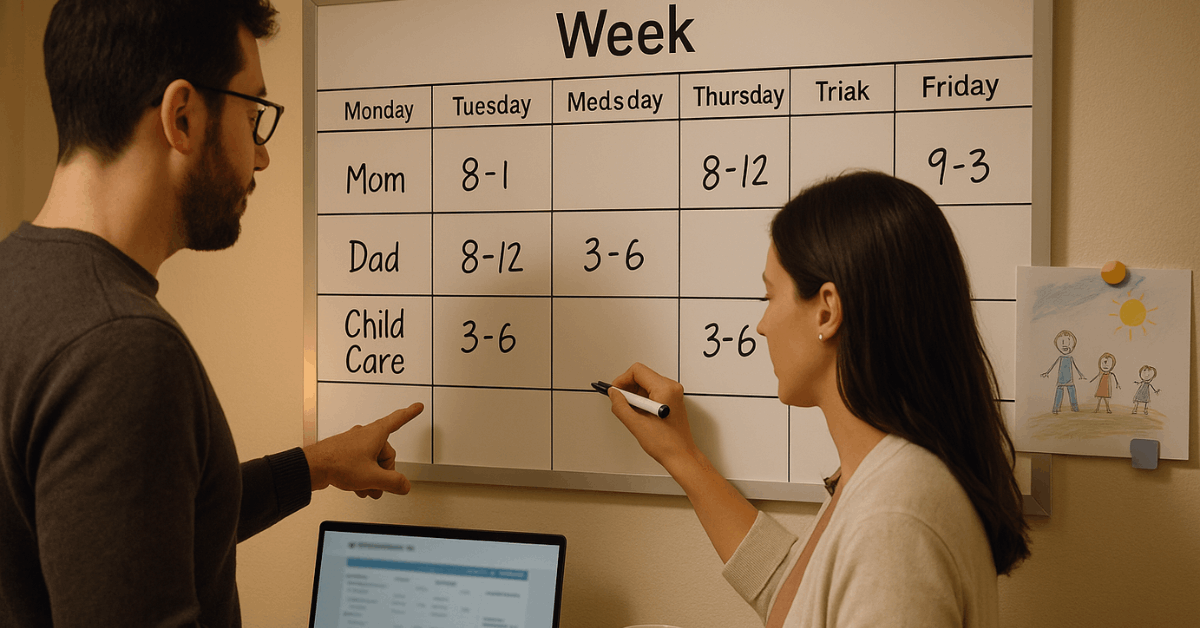
Practical Scenarios
After a twelve-month full-time pause, a parent returning at 28–30 hours weekly can switch to ElterngeldPlus for longer but smaller monthly payments, then coordinate a Partnership Bonus if the other parent holds 24–32 hours in the same months.
Single parents balancing studies and part-time shifts can meet the same hour thresholds to access the Partnership Bonus independently, provided weekly averages stay within range every claimed month.
Cross-border workers employed in Germany but living in nearby EU states should consult the local Elterngeld office early, since coverage follows nuanced coordination rules and strict filing deadlines for retroactive months.
FAQs
This section consolidates recurring questions and points to official guidance for deeper reading. Short answers keep planning decisions clear while preserving compliance with current thresholds and hours.
- Is Elterngeld paid for calendar months or life months?
Payments follow the child’s life months, starting from the exact birth date; aligning leave dates and changes to life-month boundaries avoids lost days. - How far back can approval run if the application is late?
Retroactive payment is limited to three life months before the month the office receives the application, which is why tracked submission matters. - Can both parents draw Basiselterngeld at the same time?
For recent births, simultaneous Basiselterngeld is generally limited to one overlapping month within the first twelve life months, except for defined special cases. - What hour range is required for the Partnership Bonus?
Bonus months require 24–32 hours weekly per parent during each claimed life month, and deviations below or above that range can lead to repayment. - Where is the online application available?
Many states support the ElterngeldDigital application, which guides parents through forms, terminology, and routing to the correct Elterngeldstelle.
Conclusion
Treat Elterngeld as a life-month benefit; schedule leave, hours, and variants accordingly.
Confirm residence, caregiving, and work-authorization status early, then run income thresholds for the correct year. Pick Basiselterngeld for concentrated support or ElterngeldPlus for part-time continuity, and layer the Partnership Bonus where eligible.
File promptly through ElterngeldDigital or the local office to protect retroactive months and reduce corrections later.