

In fast-moving retail and logistics teams, IKEA Jobs in Germany offer clear paths across stores, warehouses, restaurants, and support functions under a simple, structured hiring flow.
The official portal lists openings by city and function, then guides applicants through profile creation and document upload in minutes.
Roles span sales, logistics, customer service, food, design, IT, and facility management, with entry points for students, career changers, and experienced managers.
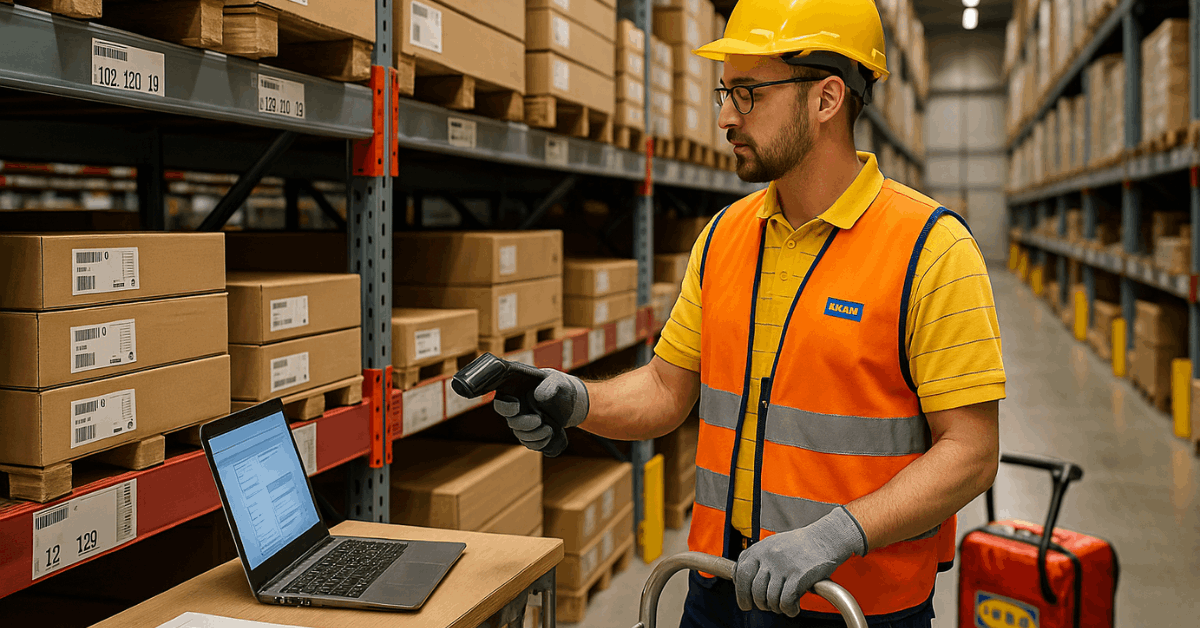
What IKEA Offers in Germany
Large-format stores, regional logistics units, and support offices create demand for front-of-house, back-of-house, and technical roles, including project-based and permanent posts.
Customer interaction jobs emphasize product knowledge and problem-solving, while warehouse tracks focus on safe goods flow, inventory integrity, and punctual dispatch.
Culture remains anchored in the eight IKEA values:
- togetherness,
- caring for people and planet,
- cost-consciousness,
- simplicity,
- renew and improve,
- different in meaning,
- give and take responsibility, and
- lead by example, which informs hiring and performance conversations.
Eligibility and Right to Work in Germany
A short orientation helps avoid avoidable delays and mismatches during screening. EU/EEA and Swiss citizens typically work without a visa, while non-EU applicants follow skilled-worker routes tied to qualifications and salary thresholds.
Contract terms usually include a defined probation period, and minimum wage rules apply nationwide for most hourly roles.
Bringing the proper documents and understanding local pay frameworks speeds onboarding and improves offer discussions.
EU/EEA and Swiss Citizens
Free movement rules allow employment in Germany without a work visa; standard onboarding documents still apply at the store or unit level.
Proof of identity, tax ID, and social insurance registration are handled during pre-boarding once an offer is signed, according to employer processes and local regulations.
Non-EU Skilled Workers
Common paths include the EU Blue Card for graduate-level roles and the Skilled Worker route for recognized vocational or academic qualifications.
Eligibility is linked to degree equivalence or recognized training plus a qualifying employment offer that meets the stated salary threshold for the route.
Regional foreign authorities verify conditions when changing employers in the first year of Blue Card employment.
Language Expectations
Most customer-facing roles prefer German at a serviceable level, while some logistics or IT roles accept English-first teams in selected units.
The job ad specifies language expectations; meeting those requirements in the CV and motivation letter avoids early rejection.
Step-by-Step: Apply on the IKEA Germany Job Portal
Clear, repeatable steps keep applications consistent and comparable for recruiters. Preparing a focused CV and a short motivation letter increases match quality and helps the hiring team map skills to a specific vacancy.
Completing the profile fully, including preferred locations and availability, improves screening speed. Keep filenames tidy and use common formats, such as PDF, for documents to avoid upload issues.
- Search and filter openings: Set filters for city, function, and contract type (full-time, part-time, apprenticeship), then open each role to review duties, shifts, and language requirements.
- Create a candidate profile: Register once, then store contact details, work history, education, and preferred locations. The profile becomes the basis for future applications and status tracking.
- Upload application documents: Attach a concise CV and add a motivation letter tailored to the specific role and store or unit. Use simple design, clear section headings, and quantified results relevant to the job ad.
- Submit the application: Confirm all fields, then submit. Status updates arrive by email or inside the portal; response times vary by role volume and season.
- Complete any online assessment: Selected roles include short online assessments used to standardize early screening. Treat them like timed practice tasks and complete them promptly when invited.
- Track submissions and prepare: Note role IDs, locations, and deadlines, then prepare examples showing teamwork, customer care, problem-solving, and safety awareness for logistics posts.
What Happens After You Apply
Hiring teams follow a consistent six-step flow after submission. Early phases verify qualifications and availability, then interviews test value fit and practical skills.
Final steps cover the written offer, checks, and a pre-boarding portal that introduces the brand, team, and day-one logistics. Understanding the sequence lowers anxiety and keeps preparation targeted.
Pre-Screening
Recruiters review the applicant pool against must-have criteria and role-specific needs. Where used, short assessments supplement the application and help rank candidates for contact. Quick, accurate responses to recruiter emails reduce delays.
Getting to Know You
Initial contact happens by phone or on-demand video to align expectations and confirm basic skills. Prepare two or three brief examples mapped to the job description and the IKEA values to show fit without scripted answers.
Interviews
Next conversations occur with the potential manager and, at times, the manager’s manager, either in-person at a unit or via live video.
Bring concise stories that demonstrate customer empathy, collaboration, and process discipline; avoid memorized monologues that feel inauthentic.
Offer and Checks
Selected candidates receive a verbal summary and a formal written offer for review.
Equal-pay commitments and German law frame pay equity, while many employers ask for salary expectations rather than history. Reference and background checks may occur before the start date.
Onboarding and Pre-Boarding
After acceptance, access to a pre-boarding portal provides brand orientation, local policies, and team introductions, helping new co-workers arrive prepared on day one.
Tips That Improve Interviews and Offers
Short, practical tactics compound into stronger outcomes across retail and logistics hiring.
Recruiters benchmark clarity, relevance, and value alignment, then verify availability and shift flexibility. Small details, file names, punctuality, and specific examples signal reliability.
- Tailor the CV to the vacancy: Lead with role-matching skills, certifications, and concrete results relevant to the posted responsibilities.
- Use a focused motivation letter: Explain interest in the unit and duty mix, then link experience to the eight values in one page.
- Prepare situational stories: Structure examples for customer recovery, safety incidents, or cross-team coordination; keep answers concise and outcome-oriented.
- Stabilize online interviews: Test audio, camera, and connectivity, then choose a quiet, well-lit space and keep notes nearby.
- Request accommodations early: Flag accessibility, scheduling, or assessment adjustments to the recruiter so arrangements can be made in time.
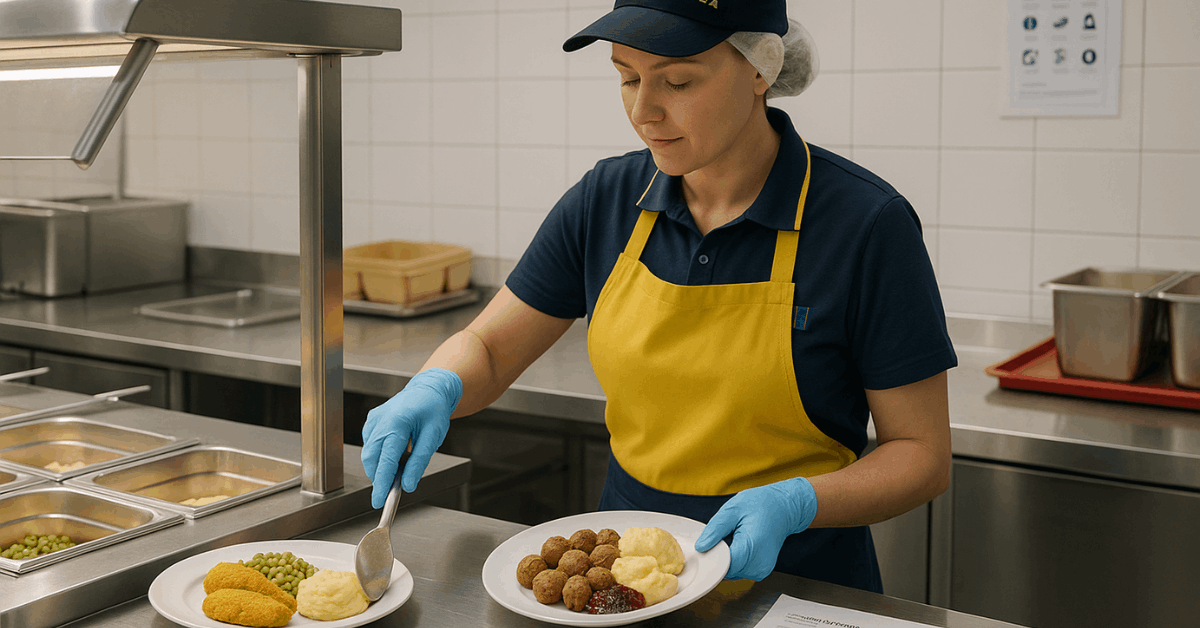
Pay, Hours, and Contracts in Germany
Compensation and scheduling reflect German labor rules and store-level staffing needs, including weekend and evening coverage for retail and rotating shifts in logistics.
As of 2025, the statutory minimum wage is €12.82 per hour, and national updates are scheduled for 2026 and 2027, with government decisions already announced. Many job ads cite hourly rates or salary bands; where not posted, candidates can request the range and share salary expectations.
Equal-pay rights are protected under the Transparency in Wage Structures Act (Entgelttransparenzgesetz), which enforces equal pay for equal work or work of equal value. Probation periods, often up to six months, are common in German contracts, and notice periods during probation are typically shorter than after confirmation.
FAQs: IKEA Hiring in Germany
A short Q&A consolidates recurring questions raised by applicants and new hires. Answers point to official frameworks and published employer practices to support planning and compliance.
- Where are openings listed for stores and logistics units?
Vacancies appear on the IKEA Germany job portal with filters for location, function, and contract type, along with role-specific requirements. - What documents should be ready at application time?
A concise CV and a motivation letter tailored to the vacancy remain standard; transcripts, certificates, and licenses help for technical or regulated roles. The portal saves documents for reuse on future openings. - What assessments might appear in screening?
Some roles include short online assessments to validate baseline skills, which helps recruiters prioritize callbacks. Completing them quickly within the specified window keeps candidacies active. - How are salary discussions handled?
German law supports equal pay rights, and many employers ask for expectations rather than past salary. Minimum wage rules set the floor for most hourly roles, with national increases already scheduled for 2026 and 2027. - What about visas for non-EU candidates?
Eligible graduates may qualify for the EU Blue Card, while recognized vocational qualifications can fit under the Skilled Worker route. Local foreign authorities confirm conditions when changing employers in the first year of Blue Card employment.
Conclusion
In Germany, IKEA hiring stays transparent and predictable across stores, logistics, food, and support roles.
Build a focused profile, match language requirements, and submit tailored documents through the official portal’s filters.
Prepare concise, value-based examples for assessments and interviews, then confirm right-to-work documents early. Staying responsive and aligning availability to posted shifts typically accelerates screening and strengthens offer outcomes.